The Invisible Backbone of Every Successful Event
When people attend an event, they see the stage design, the speakers, the lighting, and the overall experience carefully crafted by organisers and production teams. What most attendees never see is the complex logistics operation that makes everything possible.
Behind every successful conference, exhibition, product launch, or corporate gathering lies a carefully coordinated logistics process. Equipment must arrive at the right location, at the right time, and in the right condition. Suppliers must work within tight venue schedules. Build teams depend on precise deliveries to complete staging, technical installations, and production setups.
When event logistics run smoothly, they go almost unnoticed. When they fail, the consequences quickly ripple across the entire event operation.
For event organisers across the UK, reliable logistics is not simply about moving items from one place to another. It is about ensuring that every operational piece arrives exactly when it is needed so the event can proceed without disruption.
Why Event Logistics Is So Critical
The events industry operates under extremely tight time constraints. Venue access windows are often limited, build schedules are compressed, and multiple suppliers may need to deliver materials within the same narrow time frame.
Unlike standard freight transport, event logistics must align precisely with the wider event production timeline. A delayed delivery does not simply create inconvenience. It can disrupt rehearsals, delay staging construction, postpone technical installations, and place significant pressure on organisers and production teams.
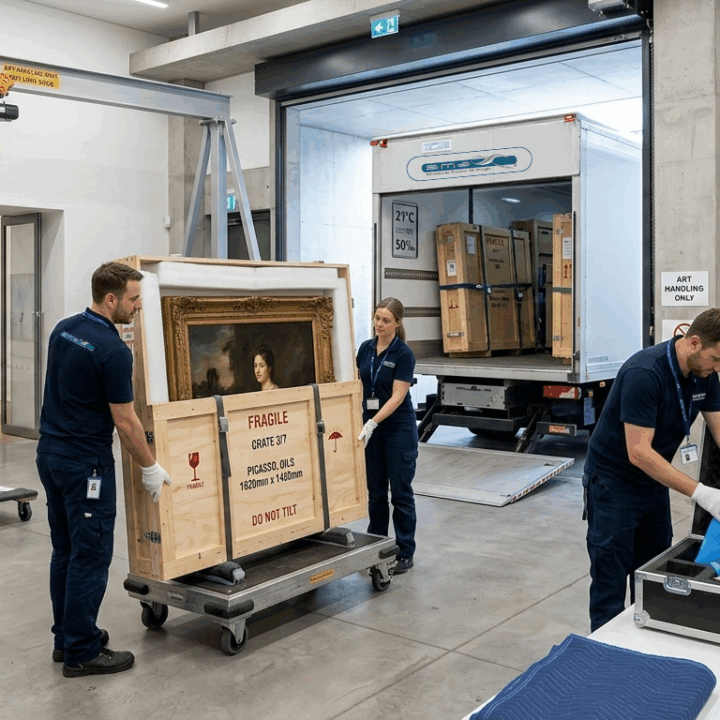
In many cases, event equipment is also highly specialised. Audio-visual systems, staging components, exhibition stands, lighting rigs, and branded installations often require careful handling and professional transport to ensure they arrive in perfect condition.
With so many moving parts involved, logistics becomes one of the most critical operational elements of any event. Without dependable logistics planning and execution, even the most carefully designed event can quickly face serious challenges.
The Most Common Event Logistics Failures
While every event is different, certain logistics challenges appear repeatedly across the industry. These issues are often avoidable when logistics planning is handled by experienced professionals.
Late Deliveries
Perhaps the most damaging issue in event logistics is a delayed delivery. When equipment arrives late, build teams cannot complete their work on schedule. This may push technical rehearsals back, reduce preparation time for speakers or exhibitors, and increase stress across the entire event team.
In environments where venue access is limited, even a small delay can create a chain reaction of scheduling problems.
Poor Coordination Between Suppliers
Most events involve multiple vendors delivering materials to the same venue. Production companies, staging suppliers, exhibition contractors, and technical teams may all need access during specific time slots.
Without careful coordination, delivery congestion can occur, slowing down unloading and creating unnecessary delays.
Inadequate Equipment Handling
Event materials are often delicate, expensive, or bespoke. Audio-visual equipment, exhibition structures, and display systems require careful handling and secure transport.
A logistics provider without experience in event freight may underestimate the importance of these requirements, increasing the risk of damage during transport.
Lack of Communication
When delivery timings are tight, event organisers rely on accurate updates from their logistics provider. Without clear communication, organisers may struggle to adjust schedules or respond quickly if changes occur.
This lack of visibility is one of the most common frustrations for event teams.
Why Event Logistics Requires Specialist Experience
Events present operational challenges that differ significantly from standard logistics operations. The pace, pressure, and precision required in live event environments demand a provider that understands the industry.
Experienced event logistics partners recognise that timing is everything. They understand the importance of build schedules, technical rehearsals, and venue access limitations. They also know that flexibility is essential, as event plans often change at short notice.
A logistics provider supporting events must be able to:
Without this level of understanding, even well-intentioned logistics operations can struggle to meet the demands of event delivery.
The Importance of Planning in Event Logistics
Successful event logistics begins long before the first vehicle leaves the depot. Careful preparation allows organisers and logistics partners to anticipate potential challenges and avoid last-minute disruptions.
Effective logistics planning usually involves reviewing several important factors.
Venue access restrictions must be understood in advance, including delivery times, loading bay procedures, and any limitations on vehicle size or access routes.
Delivery schedules should be aligned with the event build timeline so that staging materials, technical equipment, and exhibition structures arrive in the correct sequence.
Coordination between suppliers is also essential. When multiple contractors are delivering to the same location, clear scheduling helps prevent congestion and delays at the venue.
Finally, contingency planning plays a key role. Traffic conditions, weather disruptions, and unexpected schedule changes are all realities of event logistics in the UK. Experienced logistics teams prepare alternative plans to manage these risks.
With strong planning in place, organisers can significantly reduce operational stress during the event build phase.
How SMA Worldwide Supports Event Logistics Across the UK
At SMA Worldwide, we recognise that event logistics requires more than standard transport services. It demands careful coordination, dependable timing, and clear communication with event teams.
Our logistics operations are designed to support event organisers, agencies, and corporate clients who need reliable delivery performance in time-sensitive environments.
Nationwide Logistics Coverage
Events often take place across multiple locations. SMA Worldwide provides logistics support across the UK, enabling organisers to coordinate conferences, exhibitions, and live events with consistent operational reliability.
Time-Critical Deliveries
We understand that event deliveries must align precisely with build schedules and venue access windows. Our logistics processes are structured to prioritise timing accuracy and dependable delivery performance.
Flexible Operational Support
In the events industry, plans can change quickly. Equipment requirements evolve, delivery schedules shift, and urgent collections may become necessary. Our team works closely with organisers to respond quickly and adapt logistics plans when needed.
Professional Handling of Event Equipment
Many event materials require careful transport and handling. From audio-visual equipment to exhibition stands and staging components, our logistics team ensures items are delivered securely and in excellent condition.
Clear Communication with Event Teams
Event organisers need visibility and reliable updates throughout the logistics process. At SMA Worldwide, we maintain direct communication with our clients so that organisers always know the status of their deliveries.
By combining operational planning with flexible support, we help event teams maintain control and confidence throughout the build and delivery process.
Choosing the Right Logistics Partner for Your Event
Selecting a logistics partner should be a strategic decision for event organisers. While price will always be a consideration, reliability and operational experience often have a far greater impact on the success of an event.
Organisers should look for logistics partners who demonstrate:
When these factors are present, logistics becomes a supportive force that enables organisers to focus on delivering exceptional event experiences.
Conclusion: Logistics Is the Foundation of Event Success
No matter how creative the concept, impressive the speakers, or sophisticated the production, an event ultimately depends on its logistics.
Deliveries must arrive on time. Equipment must be handled carefully. Schedules must be respected. Communication must remain clear and responsive throughout the process.
When these elements come together effectively, the logistics operation fades quietly into the background while the event itself takes centre stage.
For event organisers across the UK, partnering with an experienced logistics provider helps reduce operational risk and ensures that every component arrives exactly when it is needed.
Because when event logistics fail, everything else can fail with it. But when logistics are managed properly, they create the stable foundation that allows every successful event to happen.