Choosing a logistics partner is easy when everything goes according to plan.
The real test begins when it doesn’t.
An urgent order needs to reach a customer today. A pallet misses its expected connection. An international shipment requires additional documentation. Stock needs somewhere secure to go before the next stage of its journey. Or your business suddenly grows and the logistics operation that worked six months ago can no longer keep up.
This is where the difference between a transport provider and a genuine logistics partner becomes clear.
A great logistics partner does more than move goods from A to B. It helps keep your business moving.
They understand that every shipment affects something bigger
To a courier, a shipment might simply be a collection and delivery.
To your business, it could be a customer waiting for an important order, stock needed to keep production running, equipment required for an event, or goods that must reach their destination within a specific window.
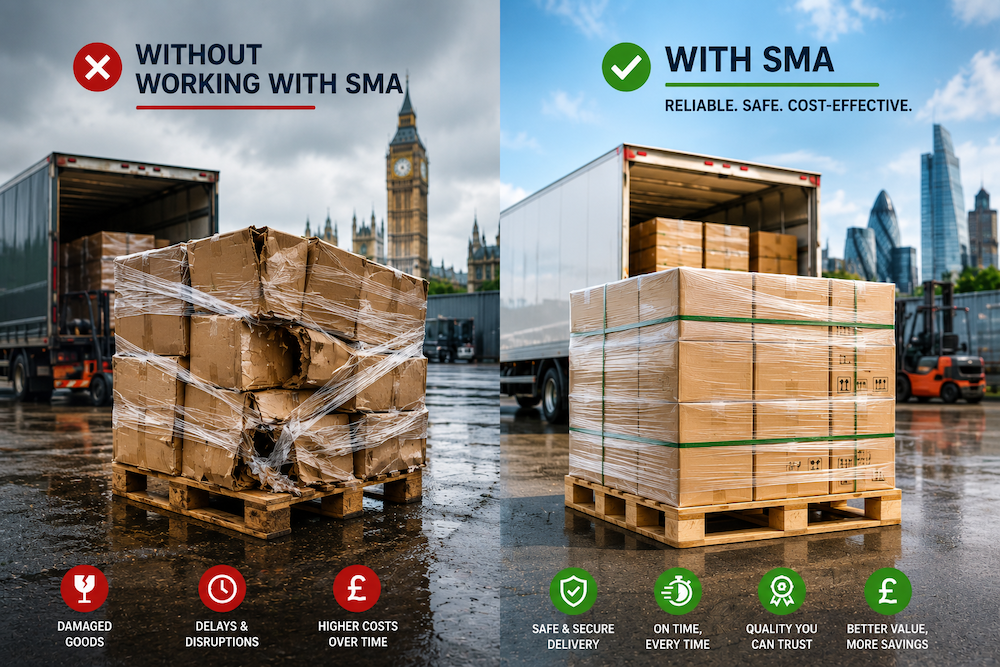
That means reliability is not simply about delivering a box.
It is about understanding what is at stake when that box does not arrive.
A strong logistics partner looks beyond the individual shipment and understands the impact transportation can have on your customers, operations and reputation.
They give you options when circumstances change
Businesses rarely have identical logistics requirements every day.
Today you might need a scheduled next day delivery. Tomorrow, something unexpected happens and you need a dedicated same day vehicle.
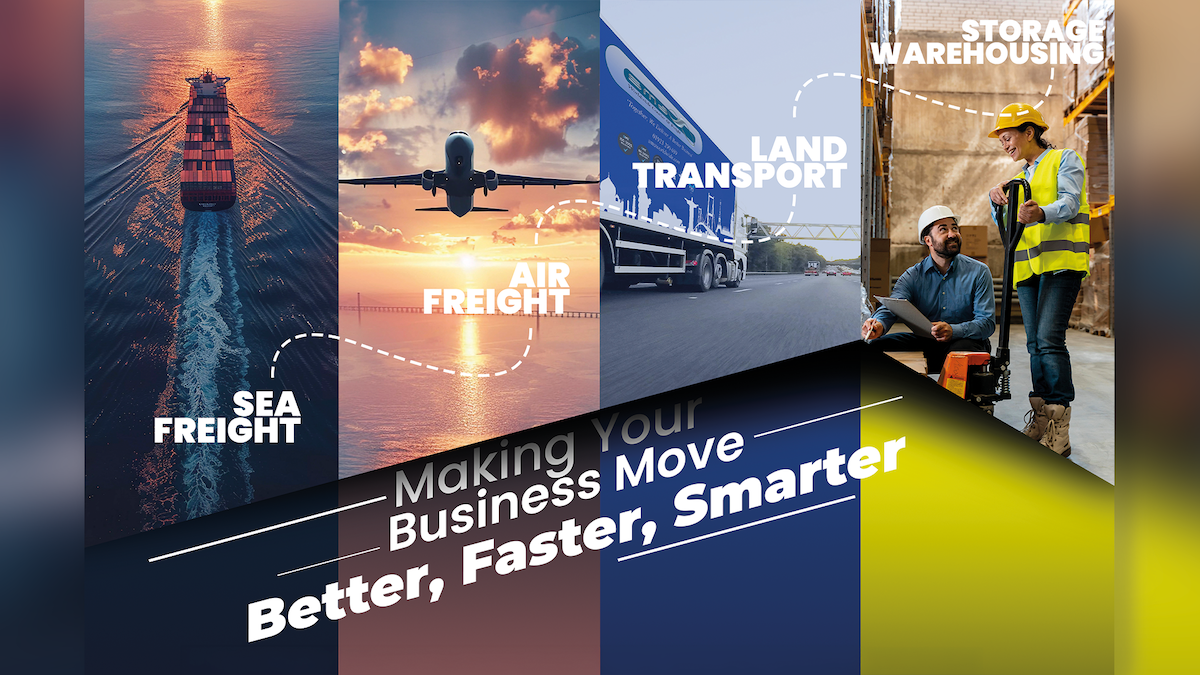
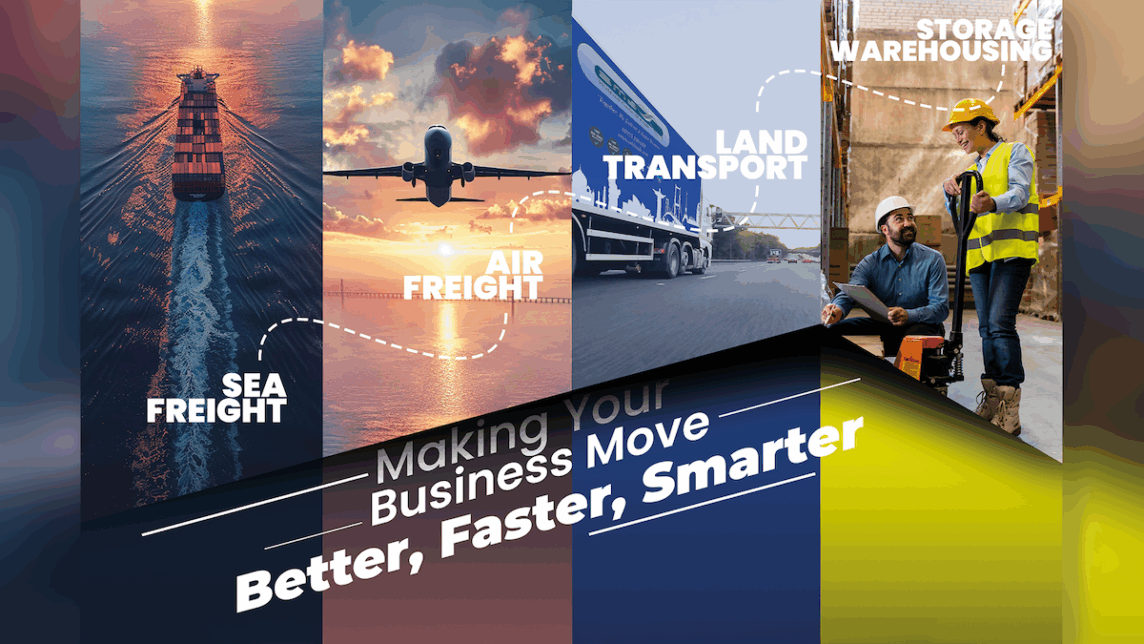
Next month, you might need to send goods internationally by air or sea. As the business grows, you may also need pallet distribution, storage or warehousing.
Working with different providers for every requirement can quickly become complicated.
A capable logistics partner should be able to adapt with you, providing different solutions depending on the urgency, destination, size and nature of the shipment.
The question should not be:
“Do you provide this service?”
It should be:
“What is the best way to get this where it needs to be?”
They make urgent situations feel less urgent
Every business eventually experiences the we need this there today moment.
Perhaps a customer has been let down by another supplier. A critical component is missing. Documents need to reach someone urgently. Or an unexpected operational problem has created a deadline that cannot move.
This is where a reliable same day logistics service becomes particularly valuable.
A good logistics partner responds quickly, communicates clearly and finds a practical solution rather than adding another problem to an already stressful situation.
Because when something is genuinely urgent, businesses do not need excuses.
They need answers.
They make international logistics easier to navigate
Moving goods internationally introduces another layer of complexity.
Air freight, sea freight, customs requirements, documentation, transit times and different transportation options all have to be considered.
The fastest option is not always the right one. Neither is automatically choosing the cheapest.
A good logistics partner helps businesses understand the trade-offs and select a solution based on what actually matters for that particular shipment, whether that is speed, cost, reliability or a combination of all three.
They take storage seriously
Sometimes the biggest logistics challenge is not moving goods.
It is knowing what to do with them between movements.
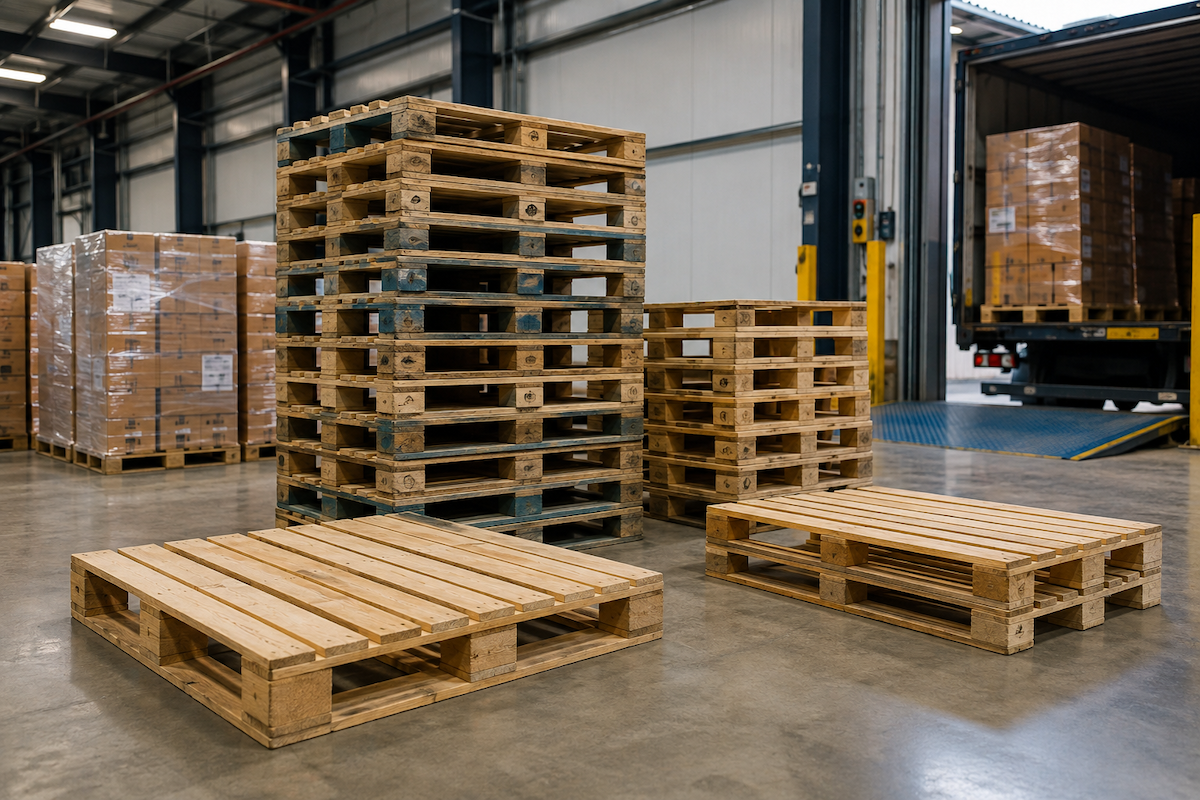
Secure warehousing and storage can give businesses greater flexibility over inventory, distribution and fulfilment without requiring them to maintain additional space themselves.
When warehousing and transportation work together, goods can move more efficiently through the supply chain rather than being treated as separate problems.
They know that specialist goods require specialist handling
Not every shipment belongs in a standard delivery network.
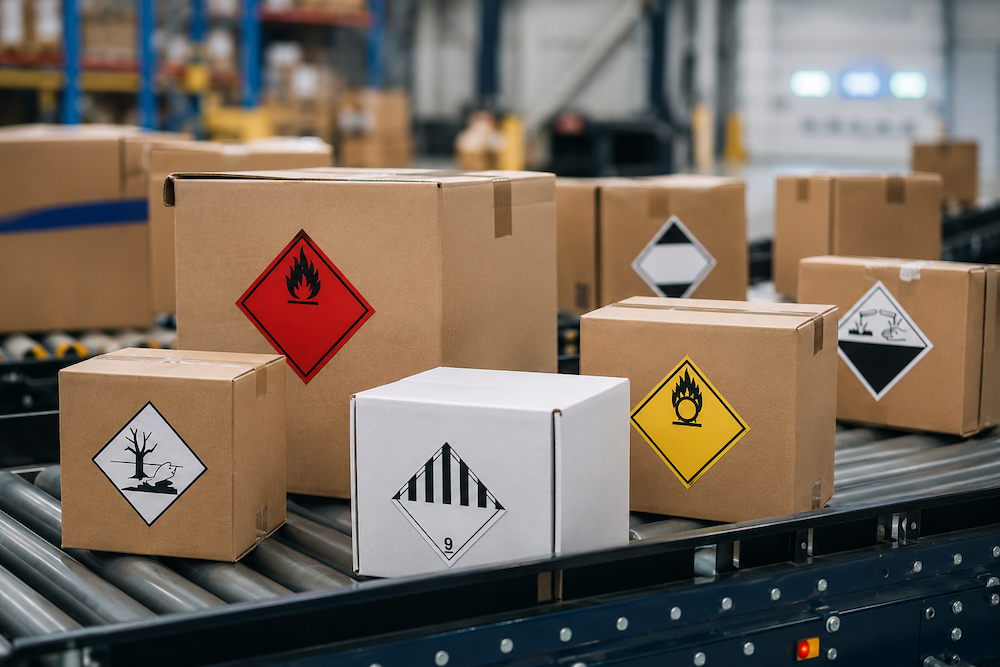
Medical products, dangerous goods, artwork, museum pieces, exhibition materials and other sensitive items can require specialist handling, documentation or transportation.
In these situations, experience matters.
The right logistics partner understands the requirements before the shipment begins and ensures the appropriate processes are in place throughout its journey.
They communicate when it matters
One of the most frustrating experiences in logistics is not necessarily a delay.
It is not knowing what is happening.
Businesses should not have to chase repeatedly for updates or discover a problem only after a customer asks where their delivery is.
Good communication creates confidence.
When circumstances change, a strong logistics partner keeps you informed, explains what is happening and focuses on the solution.
That relationship becomes particularly valuable when logistics is supporting time-sensitive or business-critical operations.
The best logistics partner becomes part of your business
Ultimately, great logistics should feel almost invisible.
Your goods move. Your customers receive their deliveries. Your stock is where it needs to be. Urgent problems are dealt with. International shipments are managed. And when something unexpected happens, you know exactly who to call.
That is when a logistics provider becomes something more valuable: a logistics partner.
At SMA Worldwide, we support businesses with same day UK and London deliveries, next day services, international air and sea freight, pallet distribution, warehousing and specialist logistics solutions.
Whether it is one urgent delivery or an ongoing logistics requirement, our approach is simple: understand what the business needs and find the right way to deliver it.
Because great logistics is not just about moving goods. It is about moving your business forward.
Need a logistics partner that can keep up with your business?
Contact us or call 01923 290490 to speak with the SMA Worldwide team.