Next day delivery can be the right choice when a customer is waiting or a deadline is approaching. But when it becomes the automatic choice for every shipment, businesses may overlook other arrangements that could suit the job.
The useful question is simple: when do the goods actually need to arrive?
Knowing the answer helps you choose a service around the deadline, the receiving arrangements and the cost of a delay.
What customers say about delivery speed
Research from Scurri, reported by Retail Times on 2 November 2026, found that 67% of shoppers would accept longer delivery times during the peak shopping period in return for free or cheaper delivery.
The research also highlighted the importance of visibility, with 53% prioritising real-time tracking and 44% an accurate delivery date when waiting for an order. These findings concern consumer shopping, rather than business-to-business deliveries, but they offer a useful prompt to review what recipients actually need. retailtimes.co.uk
Speed matters. So do a clear promise, an appropriate service and knowing what is happening along the way.
Start with the required arrival date
Before requesting a delivery, establish when the goods will be used.
Stock for a launch may need to arrive several days before the event so the team can check quantities and prepare displays. A routine replenishment order may have a more flexible receiving window.
Ask the person receiving the shipment to confirm their deadline. “As soon as possible” can mean different things to different teams, while a specific date gives your transport provider something practical to assess.
Also distinguish between goods arriving and goods being ready to use. Unloading, checking and internal distribution may need time after delivery.
Understand when faster delivery earns its place
A faster service can be valuable when the consequences of waiting are significant.
If a delayed consignment would interrupt operations, miss a confirmed appointment or leave a customer unable to proceed, discuss that impact with your provider.
Explain the required arrival time and what depends on it. A next day service may suit the requirement, while a deadline earlier than that may need a same day option, subject to availability and suitability.
The decision should reflect the business need. Comparing transport prices alone can miss the wider cost of goods arriving too late.
Ask about flexibility where the deadline allows it
When timing is flexible, say so when requesting a quotation.
Give your provider the earliest date the goods will be ready and the latest acceptable arrival date. Ask which services are available for that consignment and how their prices and delivery arrangements compare.
There may be an opportunity to coordinate dispatch with other orders or agree a different delivery day. Any alternative needs to be confirmed for the route and goods involved.
Allowing more time does not automatically mean a lower price. Check the actual quotation rather than assuming that a slower arrangement will cost less.
Check that the recipient can accept the delivery
An early arrival is useful only if someone can receive the goods.
Confirm opening hours, the delivery contact and whether an appointment is required. For larger consignments, explain vehicle access restrictions and unloading facilities before booking.
For example, stock arriving before a shop’s receiving team starts work could create an avoidable problem, even if the transport journey went to plan.
Share these details at the enquiry stage so the proposed service reflects the destination’s requirements.
Make a delivery promise you can support
If you sell to customers, review how delivery expectations are communicated before an order is placed.
Be clear about when an order will be ready for dispatch and how that relates to the delivery service. Packing time, collection cutoffs, weekends and destination coverage can all affect the arrangement.
Confirm the applicable terms before describing an order as next day. If plans change, give the recipient a clear update explaining the revised position and the next action.
A realistic arrival expectation gives customers something they can plan around.
Five questions before you book
- When will the goods be packed and ready for collection?
- What is the latest acceptable arrival date or time?
- What would happen if the delivery arrived later?
- Can the recipient accept and unload the consignment as planned?
- Which available service best meets those requirements and the budget?
Using these questions consistently can help your team make more deliberate booking decisions, especially when several departments arrange deliveries.
Choosing a delivery service with SMA Worldwide
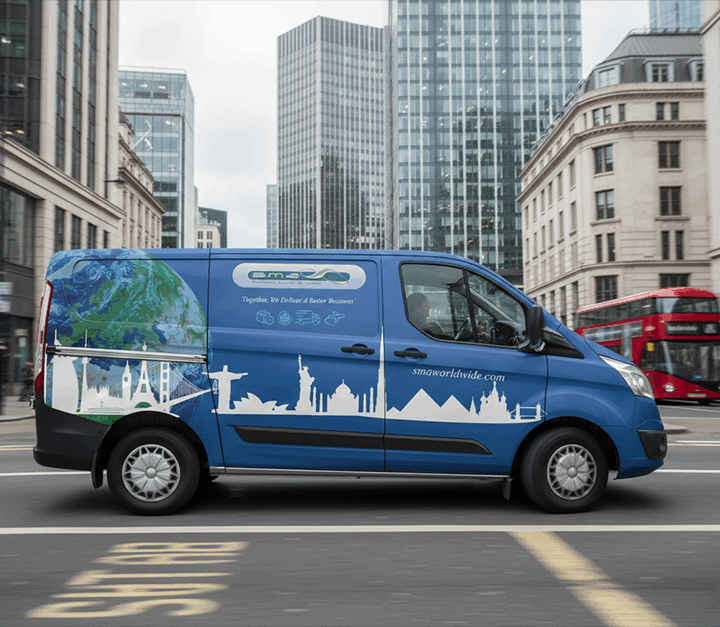
SMA Worldwide offers UK next day delivery and same day dedicated courier services. The team can discuss your consignment, destination and required arrival time to help identify an appropriate option. Coverage, collection cutoffs and any timed requirements should be confirmed before booking. SMA Worldwide Ltd.
Share the packed dimensions and weight, collection and delivery addresses, goods description and receiving arrangements. If the deadline is flexible, include that information too.
Planning your next delivery? Contact SMA Worldwide to discuss the service that suits your shipment and schedule.
01923 290 490
cs@smaworldwide.com
Contact SMA Worldwide