An exhibition may be ready to open, but the shop is still waiting for its merchandise. The press preview is approaching, but the printed materials have not arrived. These deliveries sit outside the movement of the collection, yet they still affect how smoothly a museum operates.
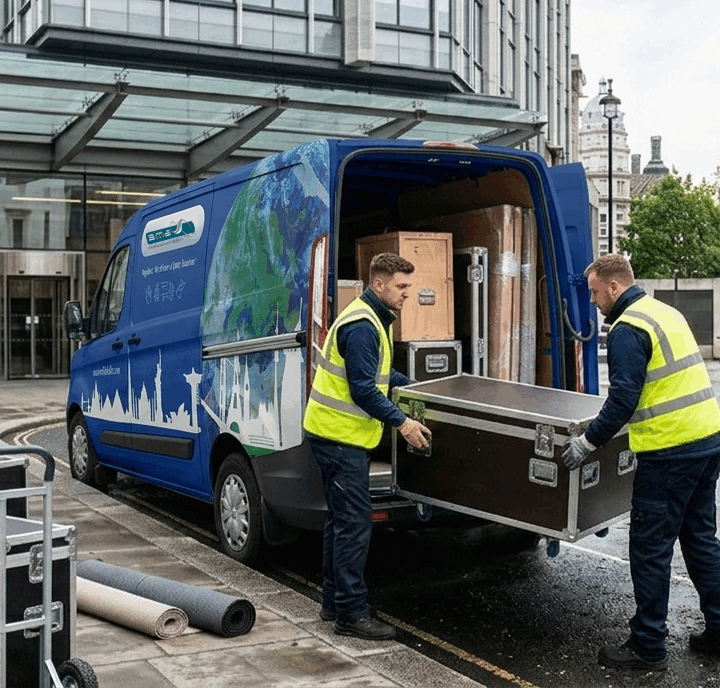
Museums and galleries can need transport for retail stock, event equipment and campaign materials alongside specialist logistics for artworks and artefacts. Planning these movements separately helps each shipment receive the right service, handling and attention.
Keeping museum shops supplied
Books, postcards, gifts and exhibition merchandise all need to reach the shop in time to be useful. When a product is linked to a particular exhibition, its delivery schedule should reflect the opening date and the period when visitors can buy it.
Retail planning starts with quantities, packaging and available storage space. A larger stock delivery may be suitable for pallet distribution, while a smaller consignment may need a parcel or courier service. Fragile merchandise still requires appropriate protection, even when it is not part of the collection.
Agree where deliveries will be received and who will accept them. Clear arrangements help avoid stock arriving at a public entrance or during a period when the receiving team is unavailable.
Preparing materials for launches and campaigns
An exhibition launch can involve printed brochures, signage, promotional packs and materials for partner venues. Each item may come from a different supplier, with its own production schedule and delivery requirements.
Work backwards from the date the materials need to be used. Allow time for receiving, checking and distributing them, rather than treating the opening day as the delivery deadline.
For campaigns across several locations, give each destination a clear allocation and contact person. Labelling consignments by venue can help teams receive the correct materials without having to sort an entire campaign shipment themselves.
Moving equipment for museum events
Talks, receptions, workshops and other events can require equipment that is hired, borrowed or stored elsewhere. The delivery plan should cover collection, arrival, unloading and the return journey after the event.
Confirm vehicle access, loading facilities and any restrictions on movement through the building. A delivery that fits the venue’s schedule gives the events team time to set up without unnecessary pressure.
Where an essential item is missing, a same day courier may be an option. Check availability and the required arrival time before booking, particularly when access is limited to a short installation window.
Planning replenishment and returns
Initial deliveries are only one part of the picture. Shops may need additional stock during a busy exhibition, and campaign materials may need to move between venues as activity changes.
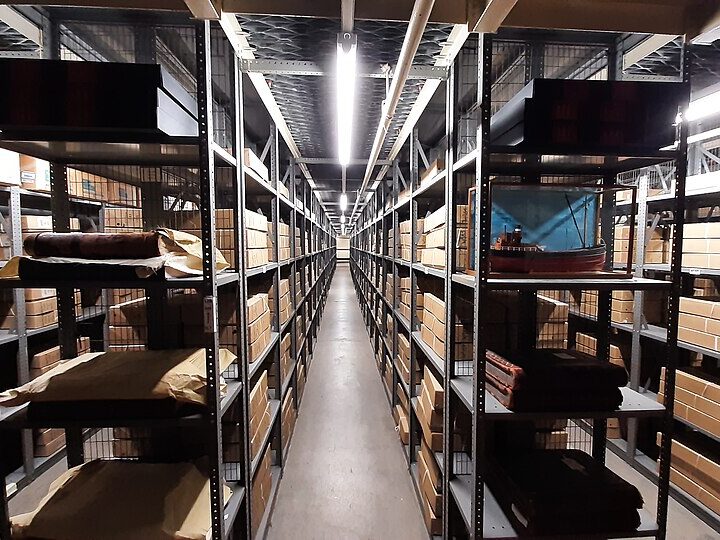
At the end of an event or exhibition, agree what will be returned, stored or transferred elsewhere. Record the quantities and condition of goods, and arrange collections around the team’s packing schedule.
A clear plan for replenishment and returns helps prevent urgent decisions being left until stock is needed or a space must be cleared.
Giving artworks and collections their own transport plan
An original artwork, a loaned artefact and a box of shop merchandise should each be assessed according to their own requirements. Sharing a destination does not mean they should share the same handling arrangements.
Collection movements may require specialist packing, condition checks, security measures, environmental controls or lender approvals. The appropriate arrangements should be agreed with the museum’s collections team and the specialist transport provider before booking.
Keep those instructions separate from routine retail and campaign deliveries. This gives curators, registrars and commercial teams a clearer view of which movements they need to oversee.
Museum logistics with SMA Worldwide
SMA Worldwide provides services including same day and next day delivery, pallet distribution, international shipping, warehousing, events and exhibition logistics, and arts and gallery logistics. The team can discuss the type of goods being moved, the destination and the delivery requirements to help identify an appropriate service.
Whether you are arranging shop replenishment, moving campaign materials or planning a specialist collection movement, start with a clear description of the consignment and the handling it needs.
Planning a museum delivery or campaign? Contact SMA Worldwide to discuss your retail stock, event materials or specialist transport requirements.