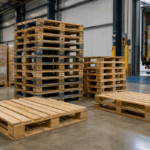
Palletised freight is one of the most efficient and widely used methods of transporting goods throughout the UK. Every day, thousands of businesses rely on pallets to move products safely between manufacturers, warehouses, retailers, and customers.
From small businesses sending occasional consignments to large organisations managing nationwide supply chains, pallet delivery provides a reliable, secure, and cost effective way to transport goods.
However, not every item can be shipped on a pallet. While many products are suitable for palletised transport, others require special preparation, additional documentation, or cannot be transported through standard pallet networks at all.
Understanding the difference between restricted items, prohibited items, and standard pallet freight is essential for avoiding delays, protecting your goods, and ensuring compliance with transport regulations.
At SMA Worldwide, we help businesses navigate these requirements every day, providing reliable pallet distribution services across the UK, Europe, and worldwide.
Why Palletised Freight Is So Popular
Pallets have become the backbone of modern logistics because they make transporting goods faster, safer, and more efficient.
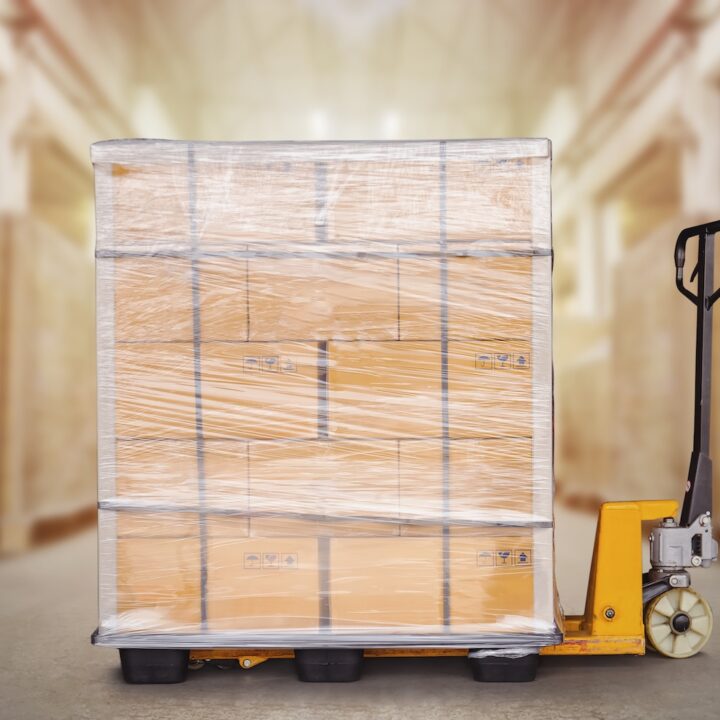
Rather than moving individual boxes by hand, goods are securely stacked onto a pallet, wrapped for stability, and handled using forklifts or pallet trucks throughout the supply chain.
This approach offers several important advantages.
Improved Protection
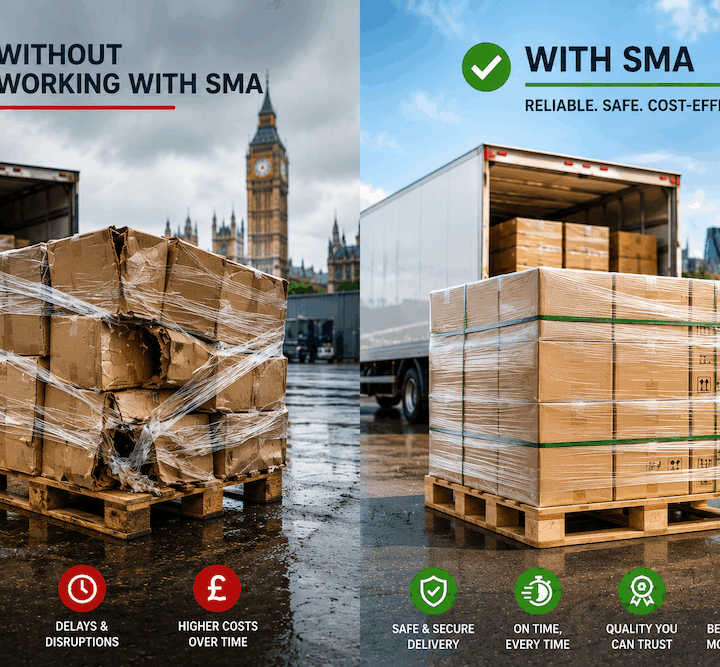
Keeping goods securely on a pallet reduces movement during transport, helping to minimise damage caused by vibration, handling, or shifting loads.
Faster Loading and Unloading
Pallets allow warehouse teams to move large quantities of goods quickly, reducing loading times and improving operational efficiency.
Better Use of Vehicle Space
Pallets can be arranged efficiently inside trailers, helping maximise available transport capacity while reducing shipping costs.
Easier Tracking
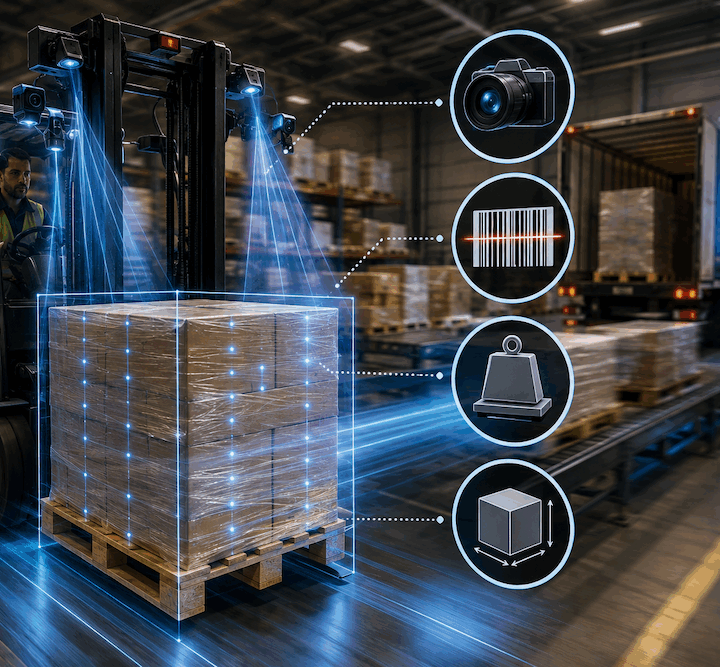
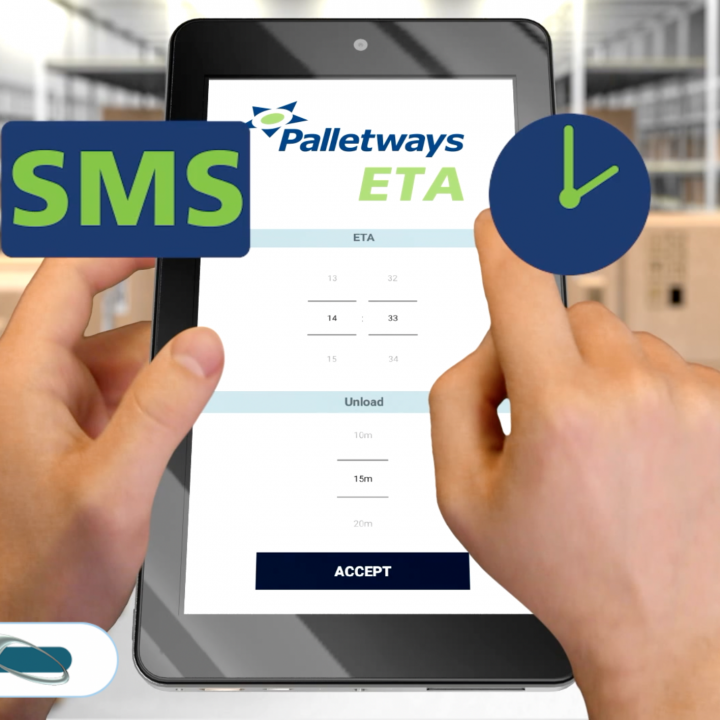
Many pallet networks use advanced tracking systems that allow businesses to monitor shipments from collection through to final delivery.
Can Everything Be Shipped on a Pallet?
The simple answer is no.
Although palletised transport is suitable for a huge range of commercial goods, certain items are either restricted or completely prohibited due to safety regulations, legal requirements, or operational limitations.
Knowing which category your goods fall into before booking transport can save valuable time and help prevent unnecessary delays.
What Are Restricted Items?
Restricted items are products that can be transported on a pallet, but only when certain conditions are met.
The exact requirements vary between logistics providers, pallet networks, and destinations, so it is always important to confirm the requirements before arranging collection.
These restrictions are designed to protect drivers, warehouse staff, customers, and the goods themselves throughout the transport process.
Common Examples of Restricted Goods
Engines and Machinery
Industrial machinery, engines, generators, and mechanical equipment are frequently transported on pallets.
However, they often require additional preparation before shipment.
For example, businesses may need to:
- Drain fuel, oil, and other fluids
- Secure moving parts
- Protect sharp edges
- Strap equipment securely to the pallet
- Prevent leaks during transport
Correct preparation helps prevent contamination and reduces the risk of damage.
Dangerous Goods
Certain chemicals, paints, aerosols, batteries, adhesives, and industrial products may be accepted for transport under specific conditions.
These shipments often require:
- Specialist packaging
- Correct hazard labels
- Transport documentation
- Compliance with Dangerous Goods regulations
- Trained handling procedures
Failure to prepare dangerous goods correctly can result in rejected shipments or legal penalties.
Perishable Goods
Food products, pharmaceuticals, flowers, and other temperature sensitive goods often require specialist transport solutions.
Depending on the product, businesses may need:
- Refrigerated vehicles
- Temperature controlled storage
- Time sensitive delivery schedules
- Additional packaging to maintain product quality
These measures help ensure products arrive in excellent condition.
Fragile or High Value Goods
Glass products, electronics, artwork, medical equipment, and precision instruments may require enhanced packaging and specialist handling.
Extra protection can include:
- Corner protectors
- Protective wrapping
- Custom crates
- Shock resistant packaging
- Additional securing straps
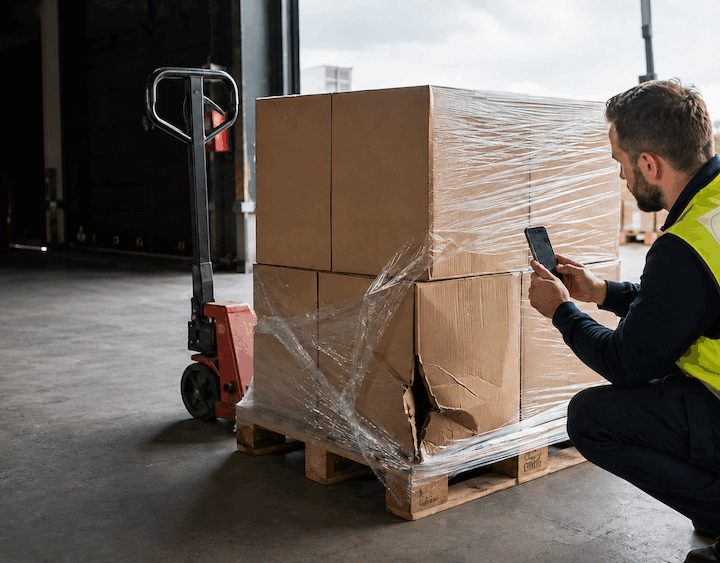
Proper preparation significantly reduces the risk of damage during transit.
Why Restricted Items Require Special Handling
Restricted goods often present additional risks if they are not packaged or secured correctly.
By following the appropriate preparation guidelines, businesses can:
- Protect valuable products
- Improve transport safety
- Reduce insurance claims
- Avoid shipment delays
- Meet legal compliance requirements
At SMA Worldwide, our experienced logistics specialists can advise customers on the safest and most appropriate transport solution for restricted goods.
What Are Prohibited Items?
Unlike restricted goods, prohibited items cannot be transported through standard pallet distribution networks.
These products are excluded because they present unacceptable safety, legal, or operational risks.
Attempting to ship prohibited goods without declaring them may result in fines, confiscation, rejected deliveries, or prosecution.
Common Examples of Prohibited Goods
Live Animals
Standard pallet networks are not designed for transporting live animals.
Animal welfare regulations require specialist transport services with appropriate environmental conditions.
Explosives and Combustible Gases
Products such as fireworks, explosives, gas cylinders, and highly combustible materials require specialist hazardous goods transport and cannot travel through normal pallet networks.
Weapons and Ammunition
Firearms, ammunition, explosives, and other controlled weapons are subject to strict legal controls and require specialist authorised transport providers.
Dangerous Waste
Certain hazardous waste materials require licensed waste carriers and must comply with environmental legislation.
These products cannot normally enter commercial pallet distribution systems.
Cash and Negotiable Instruments
Large amounts of cash, bearer bonds, and negotiable financial instruments require secure specialist transport services rather than standard pallet delivery.
Why Do Restrictions Differ Between Logistics Providers?
Many businesses are surprised to discover that one logistics provider may accept an item while another refuses it.
This is perfectly normal.
Although pallet networks follow many of the same transport regulations, each provider establishes its own operational policies based on:
- Insurance requirements
- Vehicle capabilities
- Network infrastructure
- Warehouse facilities
- Specialist handling expertise
- International transport regulations
Some providers offer specialist dangerous goods transport or refrigerated logistics, while others focus exclusively on standard pallet distribution.
For this reason, it is always advisable to discuss unusual or specialist shipments with your logistics provider before arranging collection.
Preparing Goods for Safe Pallet Transport
Even standard commercial goods should be prepared correctly before collection.
Proper pallet preparation reduces the likelihood of damage and helps ensure efficient handling throughout the transport network.
Some best practices include:
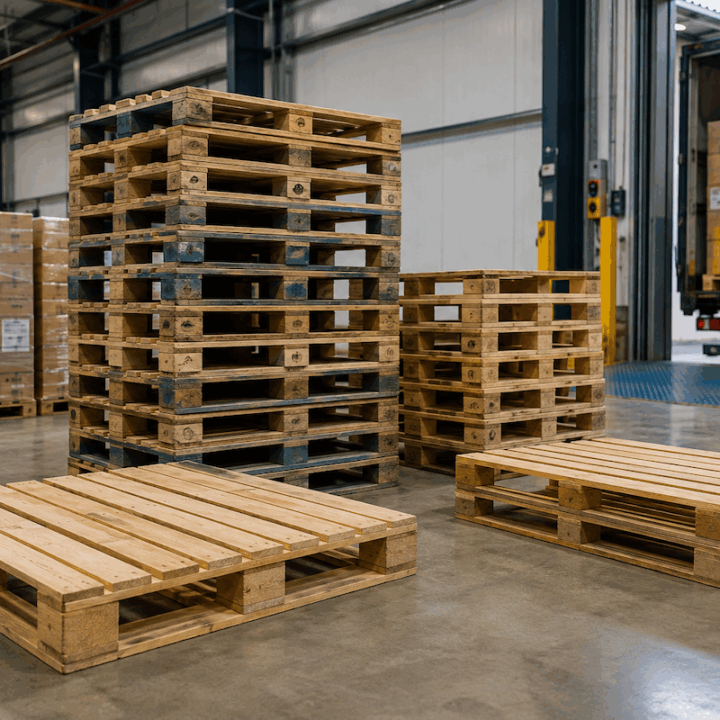
- Choose the correct pallet size.
- Stack goods evenly across the pallet.
- Avoid overhanging products.
- Secure the load with stretch wrap or strapping.
- Protect fragile edges and corners.
- Clearly label the shipment.
- Ensure the pallet remains stable during handling.
Well prepared pallets move through logistics networks more efficiently and are far less likely to experience damage.
A Simple Pallet Preparation Checklist
Before booking your shipment, ask yourself the following questions.
✔ Have you identified whether your goods are standard, restricted, or prohibited?
✔ Do your products require any specialist packaging?
✔ Have all items been securely wrapped and fastened?
✔ Is the pallet stable and evenly loaded?
✔ Have you confirmed any special requirements with your logistics provider?
Taking a few minutes to complete these checks can prevent costly delays later.
Why Choose SMA Worldwide?
At SMA Worldwide, we understand that every shipment is different.
Whether you are transporting standard palletised freight, machinery, retail products, or goods requiring specialist handling, our experienced logistics team provides tailored transport solutions designed around your business.
Our services include:
- UK pallet distribution
- Next day pallet delivery
- Economy pallet services
- European road freight
- International freight forwarding
- Warehousing and fulfilment
- Customs support
- Shipment tracking
- Dedicated customer service
We work with businesses across a wide range of industries, helping customers transport their goods safely, efficiently, and with complete confidence.
Our experienced team is always available to advise on restricted items, specialist freight, and pallet preparation, ensuring your shipment reaches its destination without unnecessary complications.
Final Thoughts
Palletised freight remains one of the safest, fastest, and most cost effective ways to transport commercial goods across the UK and beyond.
While most products can be shipped without issue, understanding the difference between restricted and prohibited goods is essential for ensuring safe transport and regulatory compliance.
Preparing your pallet correctly, checking any special requirements, and working with an experienced logistics provider can help prevent delays, reduce risk, and protect your valuable goods throughout the journey.
At SMA Worldwide, we are committed to making pallet distribution simple, reliable, and stress free. Whether you are sending a single pallet or managing regular nationwide shipments, our expert team is here to help every step of the way.
If you are unsure whether your goods can be transported on a pallet, contact SMA Worldwide today. We will help you find the right solution for your shipment and ensure your freight moves safely and efficiently from collection to delivery.